TRAC Monthly Report: March 2026
- Category: Monthly Reports
- Author: JM
- Published: 31 Mar 2026
- Last updated: 02 Apr 2026
Stargazing
Most of our time outside was spent hunting down galaxies located in the spring constellation Leo. Our other significant stargazing activity was an attempt to pinpoint a faint comet (C/2024 E1) on 14 Mar 2026.
Comet C/2024 E1 (Wierzchoś)
We couldn't see Comet E1 with binoculars. We found a distinctive C-shaped pattern of stars to the east of the comet and were able to find the two nearest bright (mag. +6) stars. This means we were looking in exactly the right location.
The Seestar picked up the comet, but it was very faint (see photo below).
According to the Comet Observation Database, as of 14 Mar 2026, the latest observed magnitude of comet C/2024 E1 was recorded as +11.6 – oh dear!
The magnitude value in Stellarium was displayed as +8.6, but the true value was probably closer to +11.6, which is 16x fainter ... so we didn't stand a chance of seeing it with binoculars.
Lesson learnt: Do not rely solely on Stellarium for comet magnitude values. Next time we'll check the Comet Observation Database for the most up-to-date observation data.
We also need to remember to take the tall tripod and binocular attachment when looking for faint comets with binoculars.
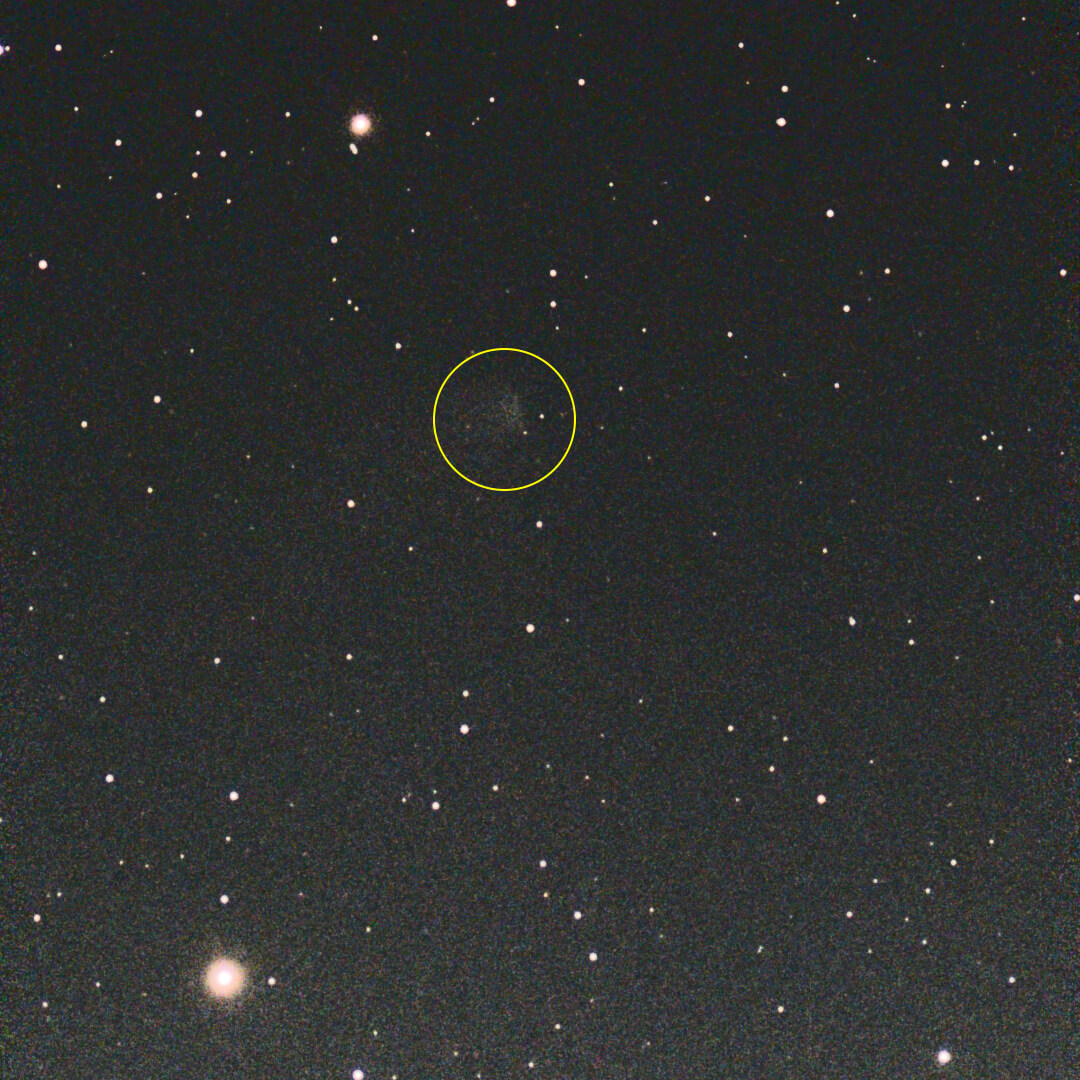
Image credit: MK/JM (TRAC)
Above image: The faint 'smudge' is the comet's tail. This was really pushing the Seestar to its limit. Total exposure time: 16 mins (97 x 10 secs).Taken at 20:20 on 14 Mar 2026.
Astrophotography (AP)
March not only welcomes spring, it also marks the beginning of 'Galaxy Season' in the northern hemisphere. We set out to get some photos of galaxies for the first time.
We decided to focus on galaxies in the spring constellation of Leo:
We also selected two iconic Messier galaxies positioned high above us in the constellations of Ursa Major and Canes Venatici:
As a bonus, I also took a photo of the Beehive Cluster (M44).
Leo Triplet
The Leo constellation is home to a couple of well-known galaxy groups. The 'Leo Trio' is a small group of three galaxies. It lies roughly 35 million light-years from Earth, and it's the brightest of the Leo galaxy groups.
NGC 3628
- NGC 3628 is a magnitude +8.9 Sc spiral galaxy.
- Discovered by William Herschel in 1784.
- The galactic disc is warped, which is likely caused by the gravitational influence of the other two galaxies in the Leo Triplet.
M66 (NGC 3627)
- M66 is a magnitude +8.9 Sb spiral galaxy.
- It is about 95 thousand light-years wide.
- It can be seen in 10x50 binoculars from dark skies.
M65 (NGC 3623)
- M65 is a magnitude +10.3 Sa spiral galaxy.
- It has a diameter of about 90,000 light years.
- It's estimated to contain over 200 billion stars.
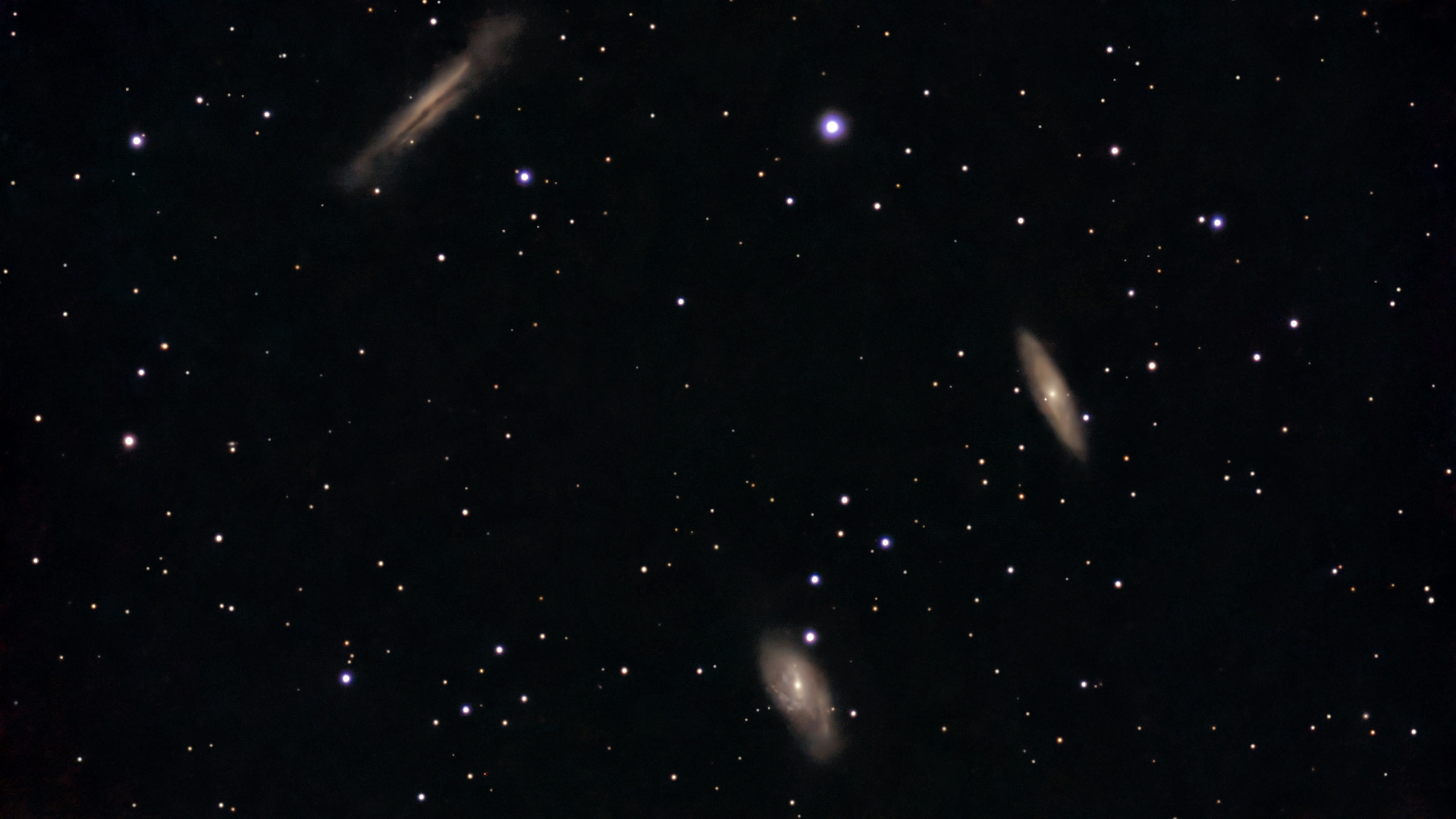
Image credit: JM (TRAC)
Above image: The three galaxies in the Leo Triplet: NGC 3628, M66, and M65 (left to right). The photo shows the comparison between Sa, Sb, and Sc spiral galaxy classifications. Total exposure time: 20 mins (120 x 10 secs). Taken at 22:00 on 11 Mar 2026.
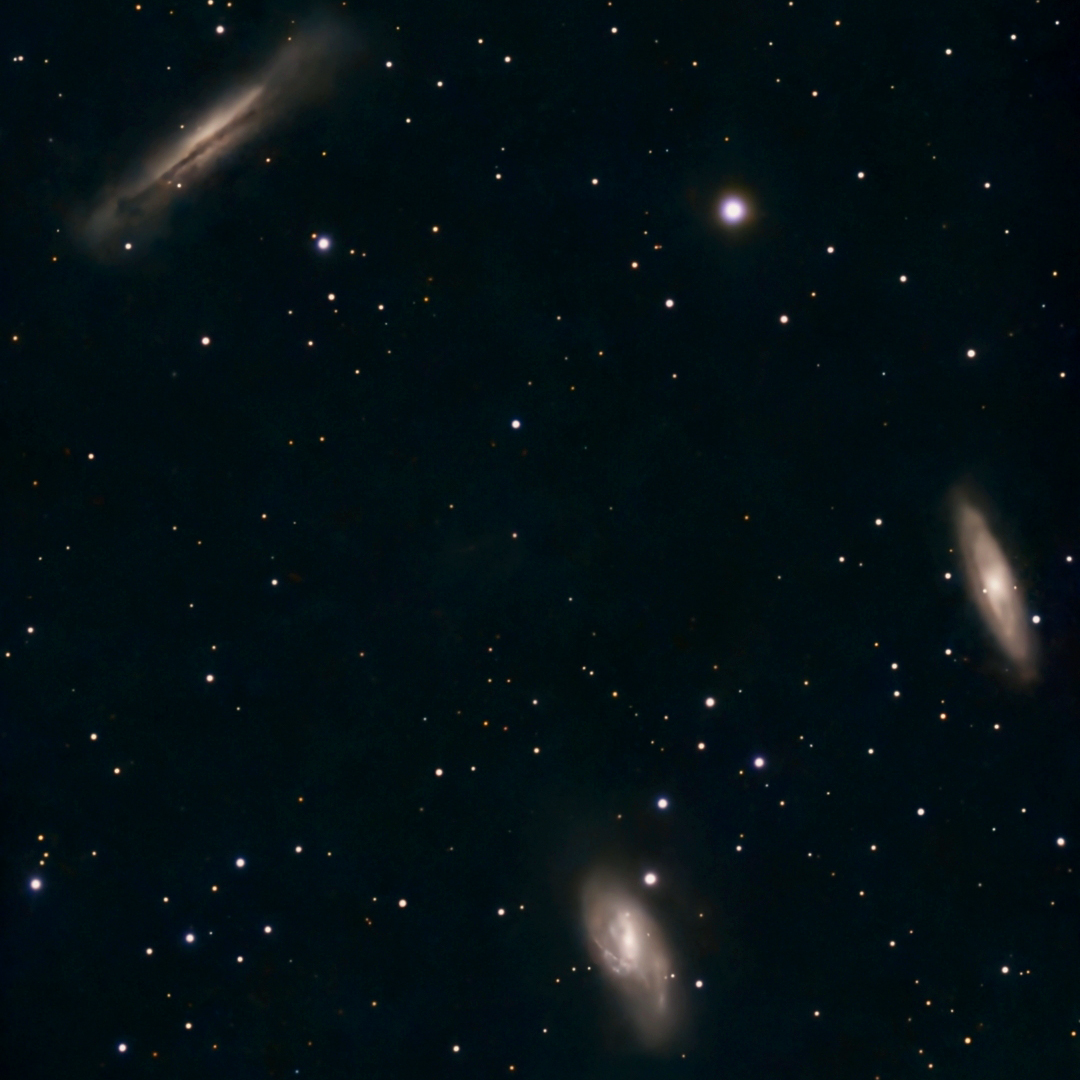
Image credit: JM (TRAC)
Above image: The Leo Triplet with greater detail after a longer imaging session. Total exposure time: 38 mins (229 x 10 secs). Taken at 22:30 on 17 Mar 2026.
M96 Group (Leo I Group)
The M96 Group, also known as the Leo I Group, is a collection of galaxies close to each other in the constellation of Leo.
It contains three Messier galaxies (M96, M95, and M105) along with many other smaller, fainter galaxies.
TRAC took photos of M105, M96, NGC 3384, and NGC 3389. The galaxy we missed (M95) will be photographed in April 2026.
Messier 105 is the largest elliptical galaxy in the Messier catalogue. The other similar magnitude galaxies in the M96 Group are all spiral galaxies.

Image credit: JM (TRAC)
Above image: Top left: NGC 3384 to the left of M105 with NGC 3389 below. Bottom right: M96. Total exposure time: 13 mins (77 x 10 secs). Taken at 22:50 on 11 Mar 2026.

Image credit: JM (TRAC)
Above image: Another shot of NGC 3389, NGC 3384, and M105 (left to right). Total exposure time: 32 mins (194 x 10 secs). Taken at 23:51 on 17 Mar 2026.
The Leo Cluster (Abell 1367)
The Leo Cluster (Abell 1367) is a galaxy cluster in Leo containing over 70 major galaxies. It mostly contains spiral galaxies.
This galaxy cluster is home to one of the universe's largest known black holes. It lies in the centre of NGC 3842, right in the middle of the photo below. The black hole is estimated to be 10 billion times the mass of the Sun!
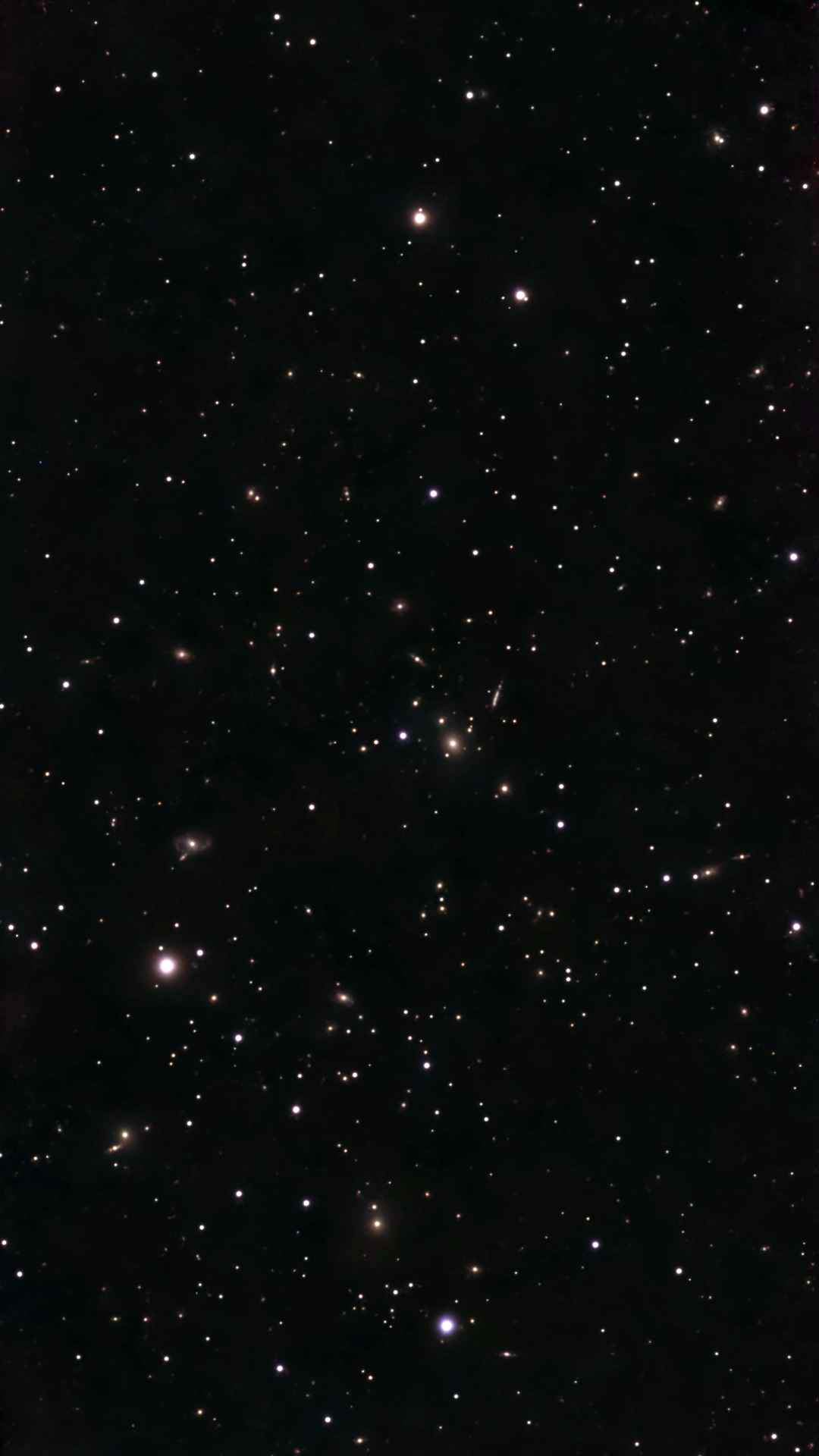
Image credit: JM (TRAC)
Above image: The brightest star is HD 102122 (mag. +7.9). Many of the bright patches are in fact galaxies, but, at magnitude 14, they are too small and faint to be clearly picked out. Total exposure time: 38 mins (229 x 10 secs). Taken at 23:08 on 18 Mar 2026.
NGC 2903
NGC 2903 is an isolated barred spiral (Sb) galaxy located roughly 1.5° south of the star Alterf (λ Leonis) (mag. +4.3) in the constellation of Leo.
NGC 2903 is 30 million light-years from Earth and has a magnitude of +9.0.
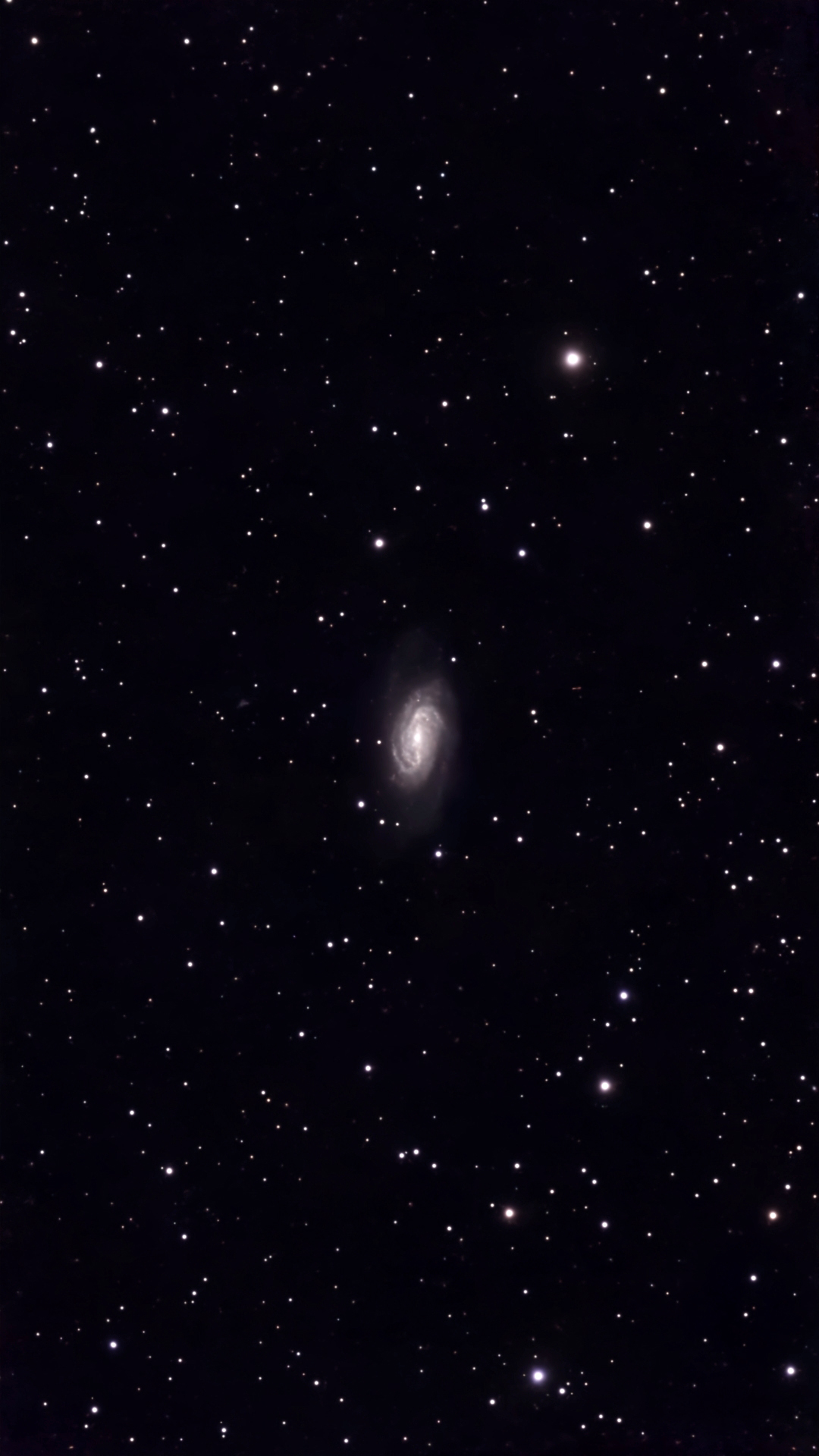
Image credit: JM (TRAC)
Above image: The bright nuclear region and spiral structure can be seen, though I can't claim that the central bar shape can be discerned in this photo. Total exposure time: 28 mins (165 x 10 secs). Taken at 23:56 on 18 Mar 2026.
Whirlpool Galaxy (M51)
Messier 51, known as the Whirlpool Galaxy, is a magnitude +8.4 spiral galaxy located 31 million light-years away. It's found in the constellation Canes Venatici, close to the bright star Alkaid (mag. +1.8) at the tip of the handle of the Plough in Ursa Major.
Our Seestar photo shows the prominent spiral arms of the galaxy where clusters of new stars are being formed. It also shows M51's companion, M51b, connected to it. These two galaxies have been interacting for hundreds of millions of years.
The Whirlpool Galaxy is believed to contain a central black hole surrounded by a ring of dust.
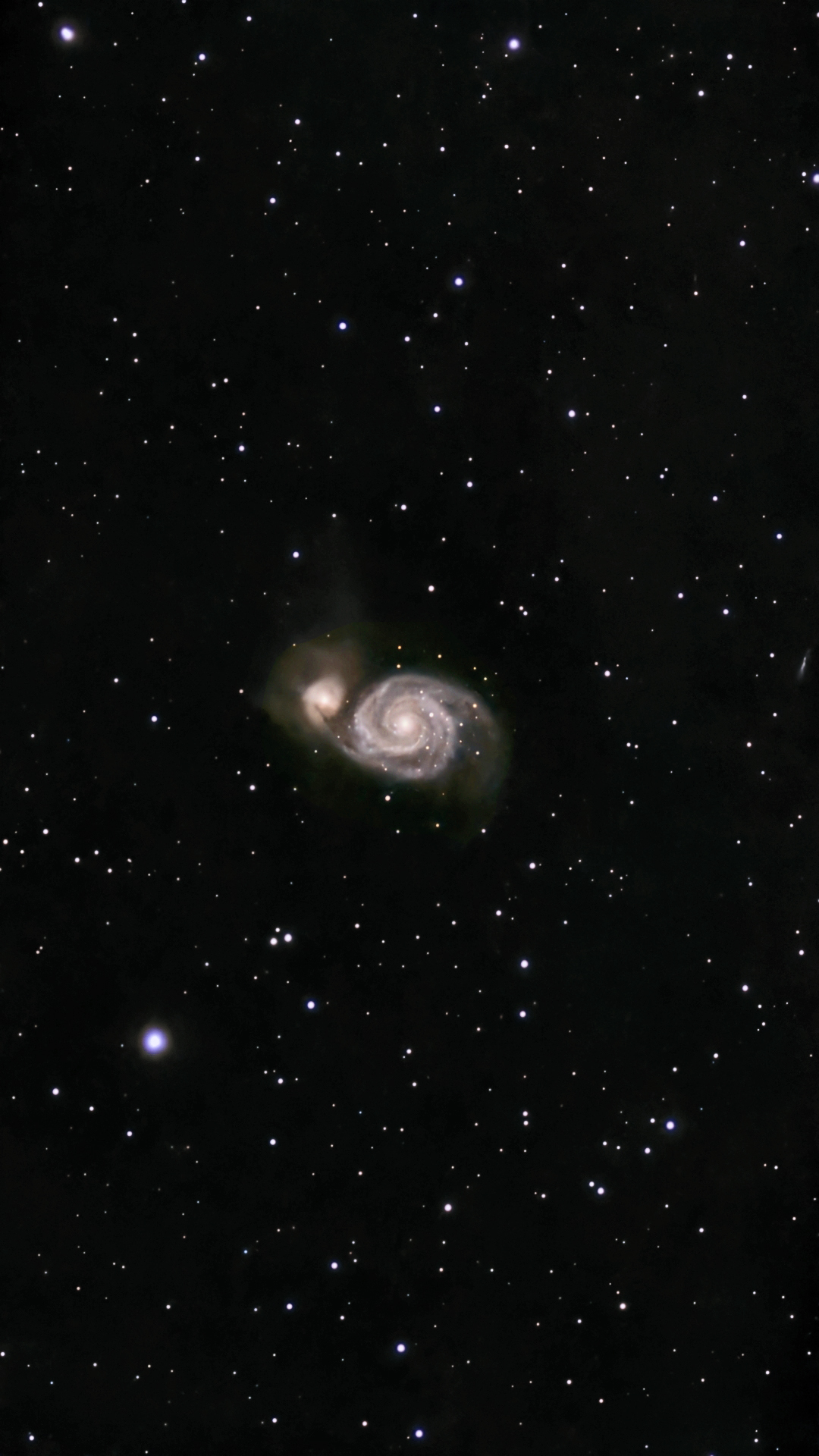
Image credit: MK/JM (TRAC)
Above image: The Whirlpool Galaxy seen interacting with its smaller companion, NGC 5195 (Messier 51b), to its left in the photo. Total exposure time: 1 hr 27 mins (523 x 10 secs). Taken at 23:30 on 14 Mar 2026.
Pinwheel Galaxy (M101)
Messier 101, known as the Pinwheel Galaxy, is a magnitude +7.9 spiral galaxy located 25 million light-years away. It's found in the constellation Ursa Major, close to the bright star Alkaid (mag. +1.8) at the tip of the bear's tail.
M101 is one of the largest known galaxies. With a diameter of 250,000 light-years, it's 2.5x the size of our Milky Way galaxy. The enormous spiral disc spans 170,000 light-years across and is thought to contain over one trillion stars.
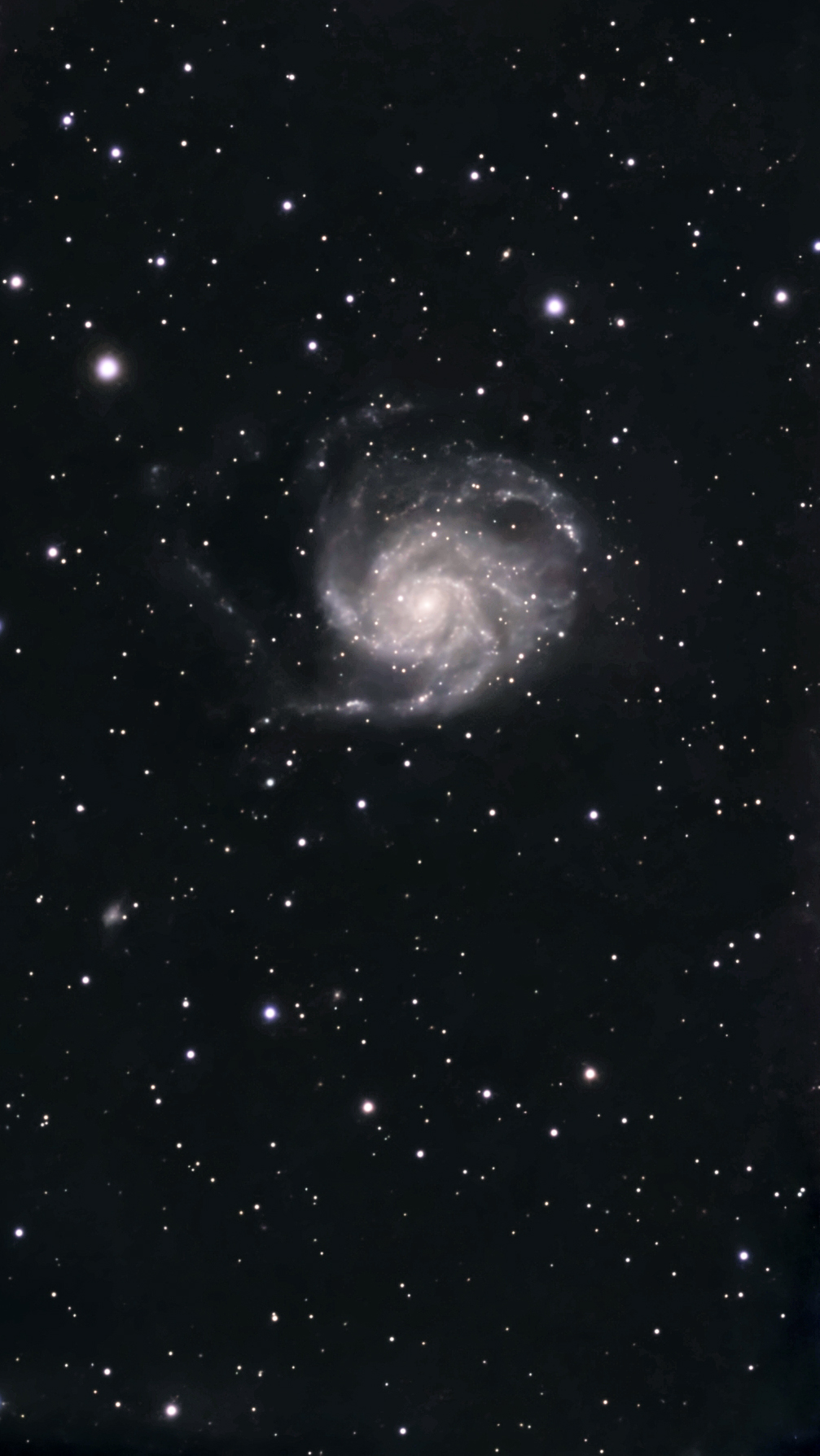
Image credit: MK/JM (TRAC)
Above image: M101 looking stunning in one of our best galaxy photos to date! The galaxy's spiral arms and galactic core were picked up clearly. Total exposure time: 1 hr 19 mins (476 x 10 secs). Taken at 23:25 on 21 Mar 2026.
Beehive Cluster (M44)
The Beehive Cluster, also known as Messier 44 or Praesepe, is an open star cluster located in the constellation Cancer, approximately 610 light-years from Earth. It contains around 1,000 stars.
The Seestar picked up the distinctive V-shaped pattern at the heart of the star cluster. I think another time it would be good to take a zoomed-out photo showing the Beehive Cluster and the surrounding region of space.
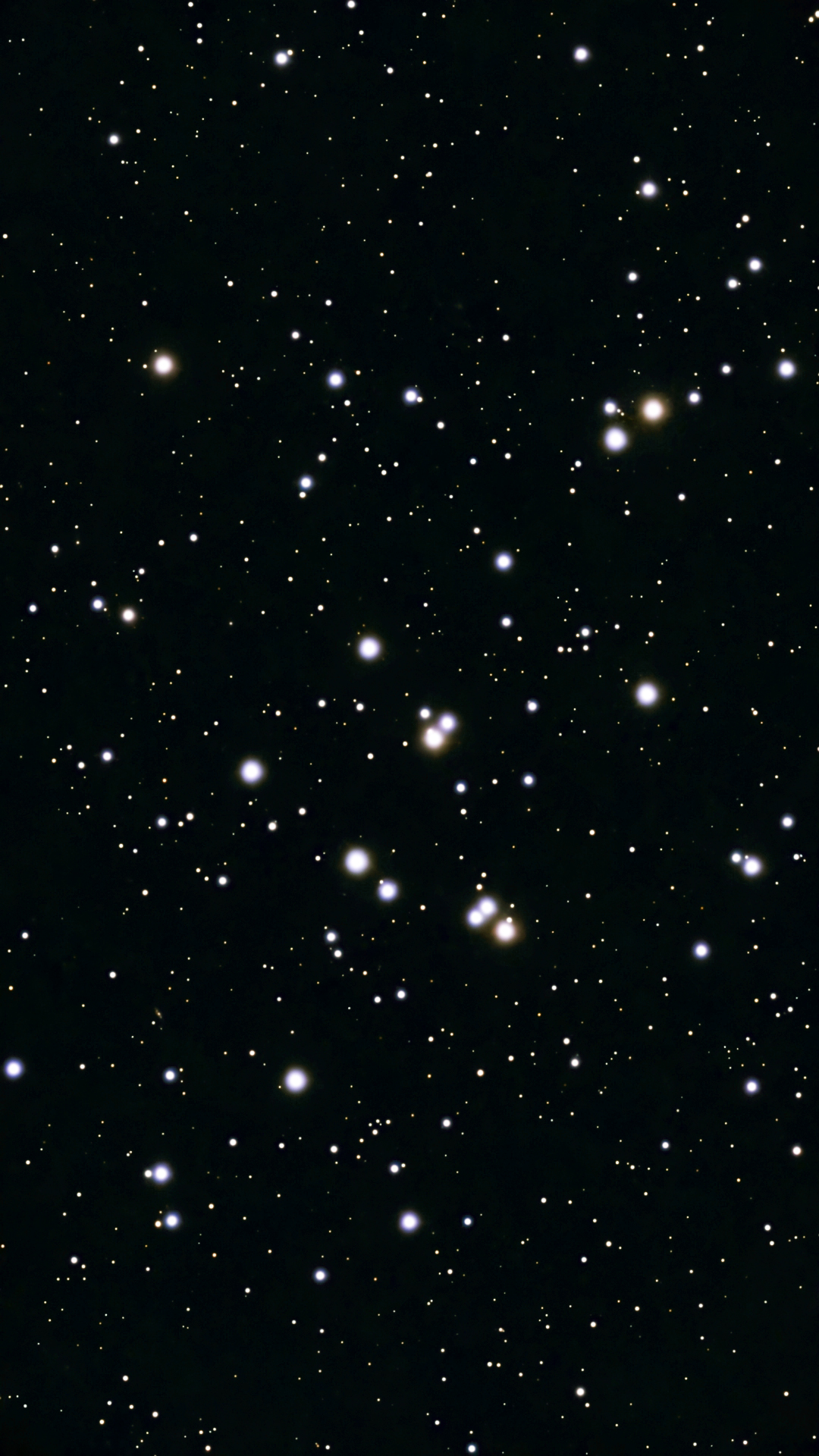
Image credit: JM (TRAC)
Above image: The stars in the Beehive Cluster are said to look like a swarm of buzzing bees. Total exposure time: 15 mins (89 x 10 secs). Taken at 23:00 on 17 Mar 2026.
Lunar Observations
March Full Moon (02 Mar 2026)
An egg-shaped Moon
Some of us saw the moonrise from the park. When the Moon was low in the sky, it looked orange and noticeably 'squashed'! As it rose higher, it looked yellow, and when it was overhead, it looked greyish-white and round.
Why does the Moon's appearance change in this way? The Moon doesn't actually change shape or colour as it rises; it's always roughly spherical and isn't physically flattened as it rises, so why does it look so different?
Why does the Moon look squashed?
The "squashed" or "flattened" appearance is due to atmospheric refraction. The Earth's atmosphere bends (refracts) light. When the Moon is low on the horizon, its light passes through more of the atmosphere than when it's overhead.
The vertical dimension of the Moon is slightly compressed, while the horizontal dimension remains unchanged. This makes it appear slightly "squashed" or elliptical.
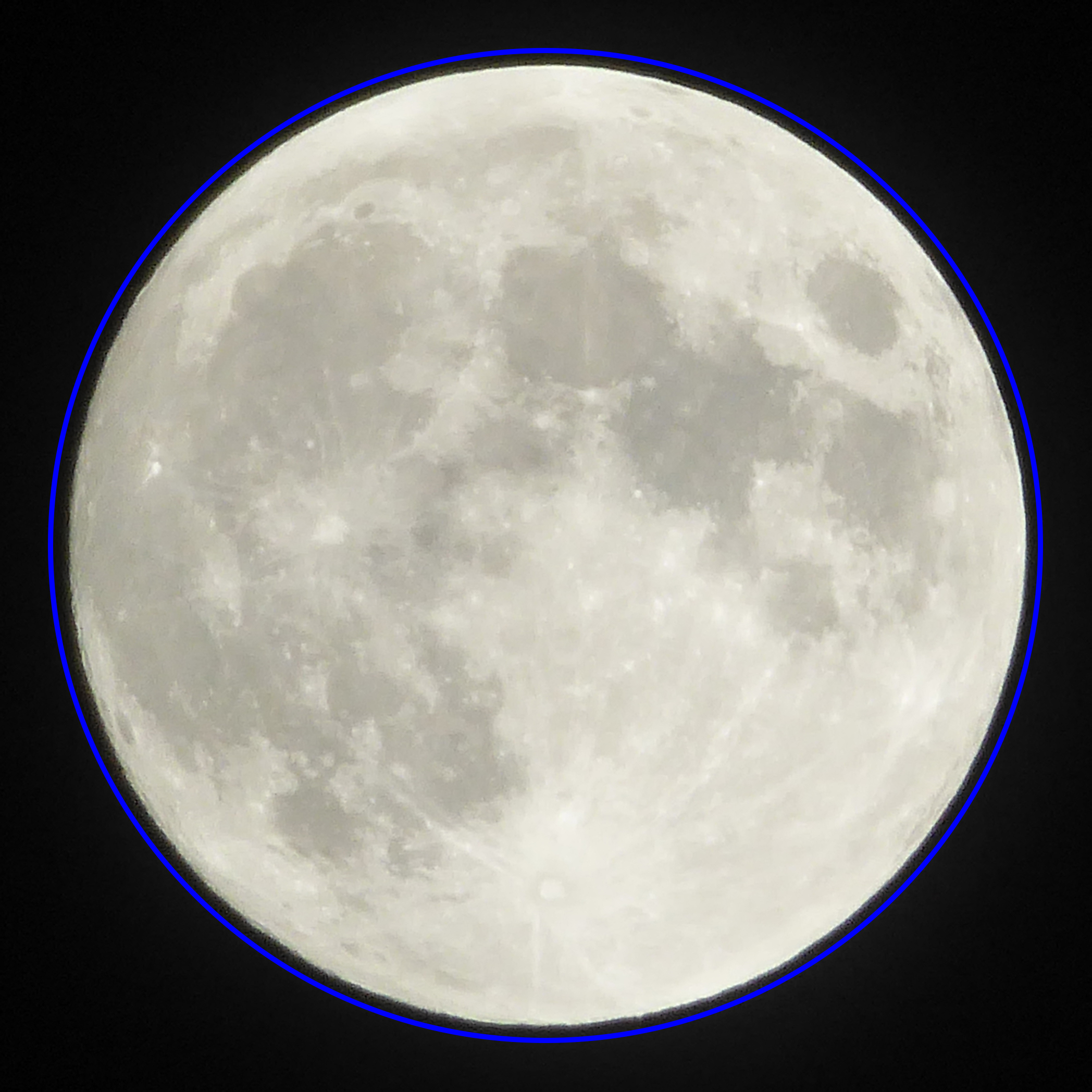
Image credit: JM (TRAC)
Above image: The Moon inside a perfect blue circle, showing that it's almost perfectly round when high overhead. Taken at 23:50 on 02 Mar 2026.
The squashed appearance is different to the "Moon Illusion", the perception that the Moon looks larger when it's near the horizon compared to when it's overhead. This is a psychological effect rather than a physical change in size.
Is the Moon round?
The Moon is not a perfect sphere; it is an oblate spheroid. That means that it's slightly flattened at the poles and bulges in the middle (at the equator). However, this effect is very small. When the Moon is overhead, it appears round to the naked eye.

Image credit: JM (TRAC)
Above image: Compare the appearance of the Full Moon when it is rising (yellow and squashed) and when it is high overhead (greyish-white and circular). The diagram shows how the width of the Moon appears unchanged with altitude, while its height appears to vary.
Why does the Moon look yellow when it rises?
When the Moon rises, it's low on the horizon. The light from the Moon passes through a thick layer of Earth's atmosphere, which scatters shorter blue wavelengths and allows warmer yellow light to reach our eyes. Dust in the air and the air's humidity can also make the Moon appear yellower.
Crescent Moon (21 Mar 2026)
The earthshine effect was particularly noticeable when we were observing the Moon–Venus conjunction.
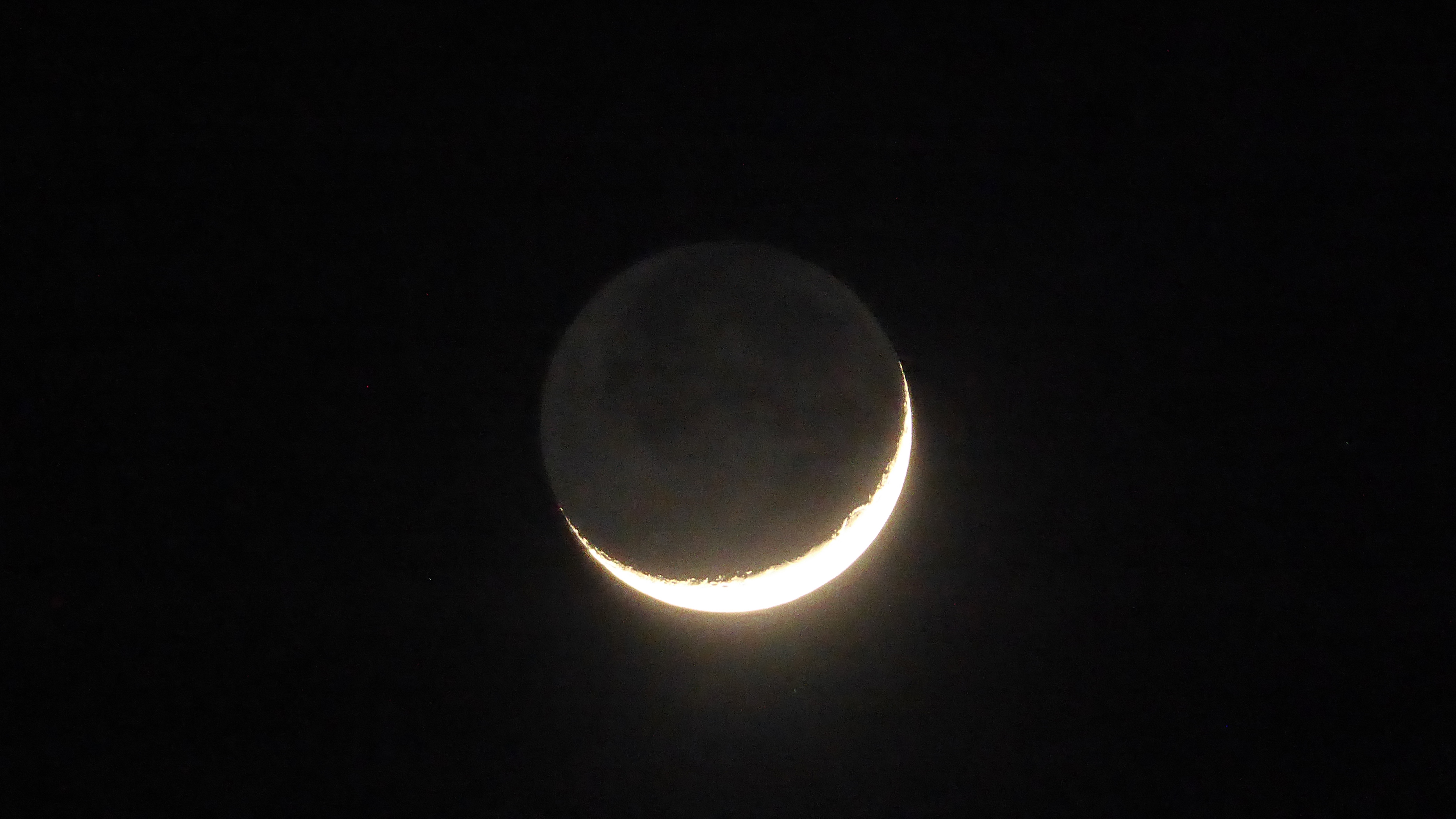
Image credit: MK/JM (TRAC)
Above image: Matey K captured the earthshine seen on the 3-day-old Moon. Detail can be seen on the unlit part of the Moon as a result of the reflected sunlight coming from Earth. Taken at 19:08 on 21 Mar 2026.
Venus–Moon Conjunction (21 Mar 2026)
Our photo of this conjunction turned out poorly due to camera focussing issues. However, Matey K was able to capture the International Space Station above the conjunction. When we saw the ISS approaching from the east, Matey did well to react quickly to get all three objects in frame.
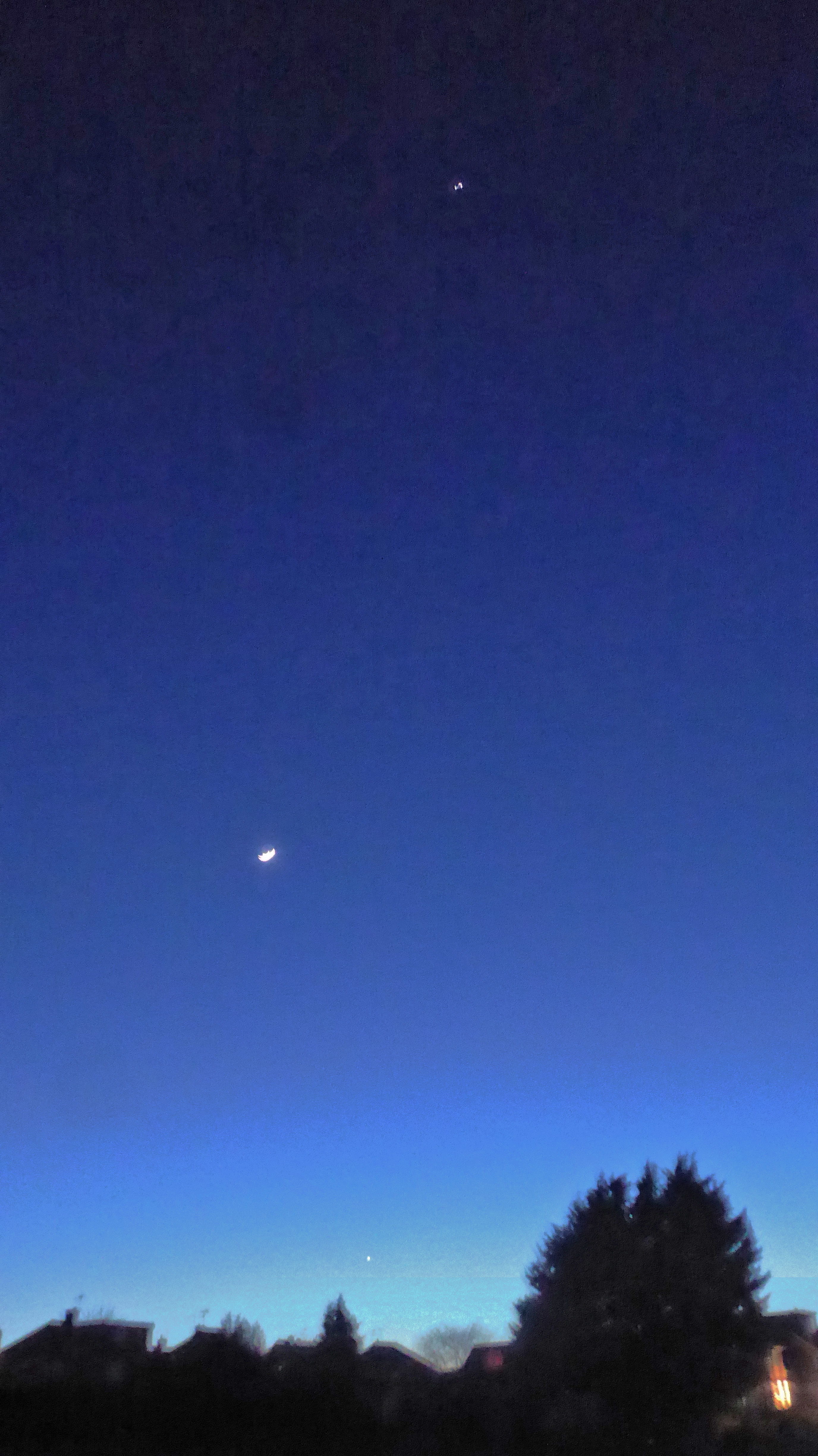
Image credit: MK (TRAC)
Above image: This unplanned shot shows the ISS passing high above the crescent Moon with Venus much lower. It's tempting to think that the photo shows some structure to the ISS, but really its size in the image is due to its speed and the camera exposure time. Taken at 18:59 on 21 Mar 2026.
Jupiter–Moon Conjunction (25 Mar 2026)
The Moon, in its first quarter phase, was positioned a few degrees west of the planet Jupiter throughout the evening. The video below was recorded as the International Space Station passed overhead at 19:05.
Someone (who shall remain anonymous) mentioned that they had mistaken the ISS for a comet. However, as you can see from the video, the ISS looks nothing like a comet, and the two are actually very easy to tell apart.
Video credit: JM (TRAC)
Above video: The bright 'star' next to the Moon is Jupiter. The white dot gracefully moving leftwards across the centre of the frame is the ISS. In full-screen view, it's also possible to see three stars lower down. These are (left to right) Procyon, Betelgeuse, and Aldebaran. Towards the end of the video, a plane moves into shot from the lower right.
Planets
Venus
Venus was once again an evening planet, shining brightly (mag. -3.8) after sunset every clear evening. Venus was incredibly bright and impossible to miss in the southwestern sky.
I wonder what 'non-astronomy' people think when they see it? Maybe a plane or perhaps even a UFO!
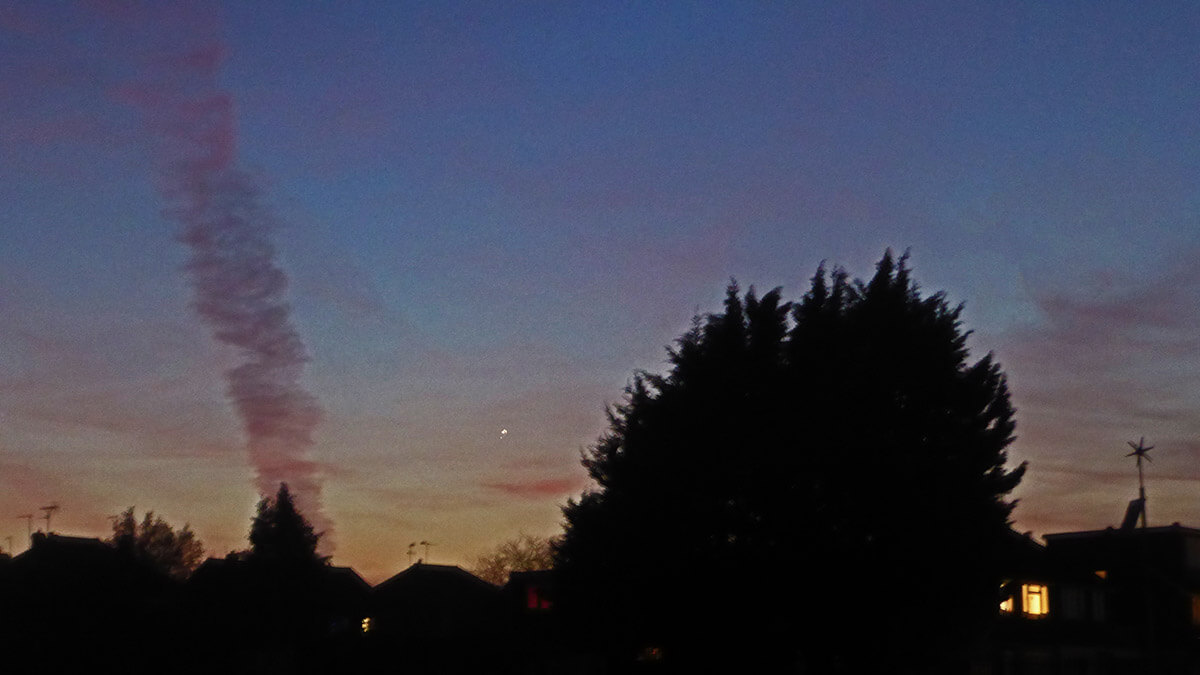
Image credit: JM (TRAC)
Above image: This highly stylised (unnatural) shot of Venus was taken at 18:57 on 19 Mar 2026.
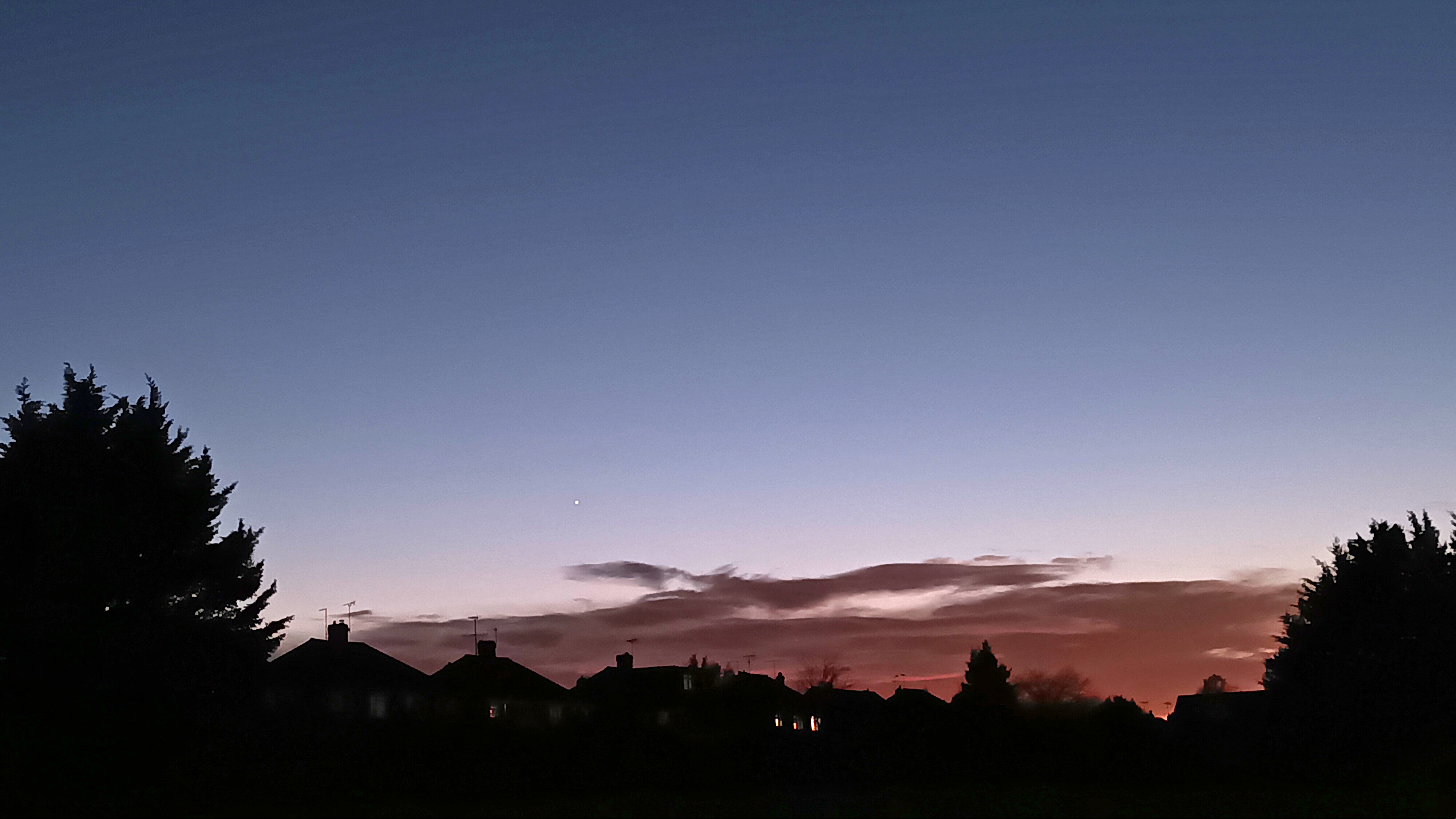
Image credit: JM (TRAC)
Above image: This more realistic shot shows Venus in the sky shortly after sunset. Notice its size, position, and brightness. Taken at 19:02 on 25 Mar 2026.
Jupiter
Our main observations of Jupiter took place on 17 Mar 2026 during an interesting series of Galilean moon transit and shadow transit events.
Galilean Moon Transits Schedule
- 19:45 - Callisto Transit start
- 19:46 - Io Transit start
- 20:59 - Io Shadow Transit start
- 22:02 - Io Transit end
- 23:16 - Io Shadow Transit end
- 23:42 - Callisto Transit end
Observation Log
- 19:00 - Callisto and Io seen close to Jupiter's eastern side.
- 19:30 - Both moons still visible with 15mm eyepiece.
- 19:50 - Neither moon visible when close to the planet's edge.
- 21:05 - Both moons still unresolvable.
- 22:10 - Io seen emerging on the western side of Jupiter. No shadow seen. Callisto not visible with our equipment.
- 22:20 - Callisto is just visible using the zoom eyepiece.
- 00:37 - Callisto seen to Jupiter's west.
Spotting Callisto in front of Jupiter was almost impossible with a 5-inch telescope under Bortle 6 sky conditions. The March wind didn't help either.
Summary
Surprisingly Clear Skies
After two months of persistent cloud cover, we finally experienced some clear evenings. Luckily, the clear nights coincided with moonless skies, which is precisely what we were hoping for.
We also enjoyed several fine sunsets and a striking sunrise at the start of the month (see photo below).
March 2026 can be recorded as one of the astronomy club's busiest months – as you can tell by the length of this report.
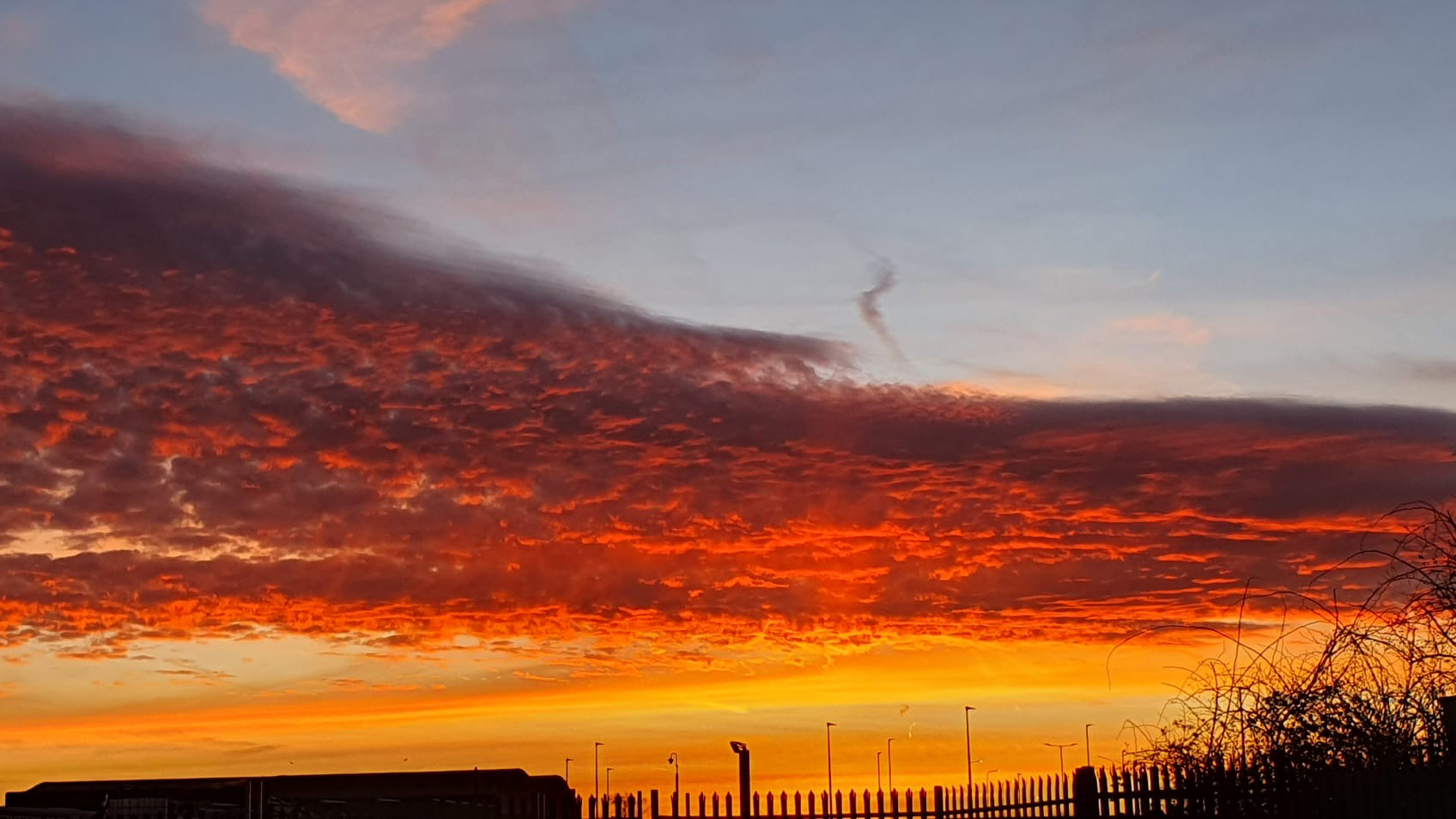
Image credit: RC (TRAC)
Above image: Ryan C captured this dramatic sunrise from Rochester Airport. The illuminated clouds glow a fiery red and orange, gradually fading into the pale blue of the bright morning sky above them. Taken at 06:45 on 02 Mar 2026.
Seestar Daytime Tests
On a bright Saturday afternoon, the Seestar S50 smart telescope was set up to allow younger TRAC members a chance to see how it works. Well done to youth club members who actively participated in this activity.

Image credit: JM (TRAC)
Above image: A famous poem was taped to the outside of an open window, with the text becoming progressively smaller. The challenge was to determine how much could be read from across the street using the Seestar S50 telescope.
Looking Ahead
Next month, we'll continue hunting for galaxies around the dates of the New Moon and add to our growing collection of deep-sky astrophotography images.
April 2026 will also likely see the launch of NASA's Artemis II mission to send four astronauts around the Moon for the first time in over 50 years!
James M
TRAC Team Leader
31 Mar 2026 – Rainham, Kent

TRAC is an amateur astronomy group based in Rainham (Kent) in the United Kingdom.
On clear nights, you'll find us outside, observing stars, planets, moons, galaxies, satellites, meteors, and comets.
This monthly report is intended to keep club members informed of our observational activities, track progress towards the club's long-term goals, celebrate successes, and record memorable moments.
Unless stated otherwise, magnitude values refer to apparent magnitude and have usually been rounded to one decimal place; photos of deep-sky objects credited to TRAC were taken using a Seestar S50 smart telescope; our observations were made from Rainham, Kent; and times and dates are in the UK's local time zone (GMT or BST, depending on the time of year).
We welcome any questions, feedback, or suggestions you may have. Please let us know if anything is unclear or if you notice an error, inaccuracy, or typo. Contact us via email.
© 2026 Taverners Road Astronomy Club