TRAC Monthly Report: January 2026
- Category: Monthly Reports
- Author: JM
- Published: 31 Jan 2026
- Last updated: 31 Jan 2026
Stargazing
Capella
Capella is 43 light-years from Earth and shines at an apparent magnitude of +0.1, making it one of the brightest stars in the sky.
Although it appears to be a single star to the naked eye, Capella is actually four stars (a "quadruple star system").
Capella was chosen because it was a very bright star which happened to be almost directly overhead at the time. Capella is the brightest yellow star in our sky.
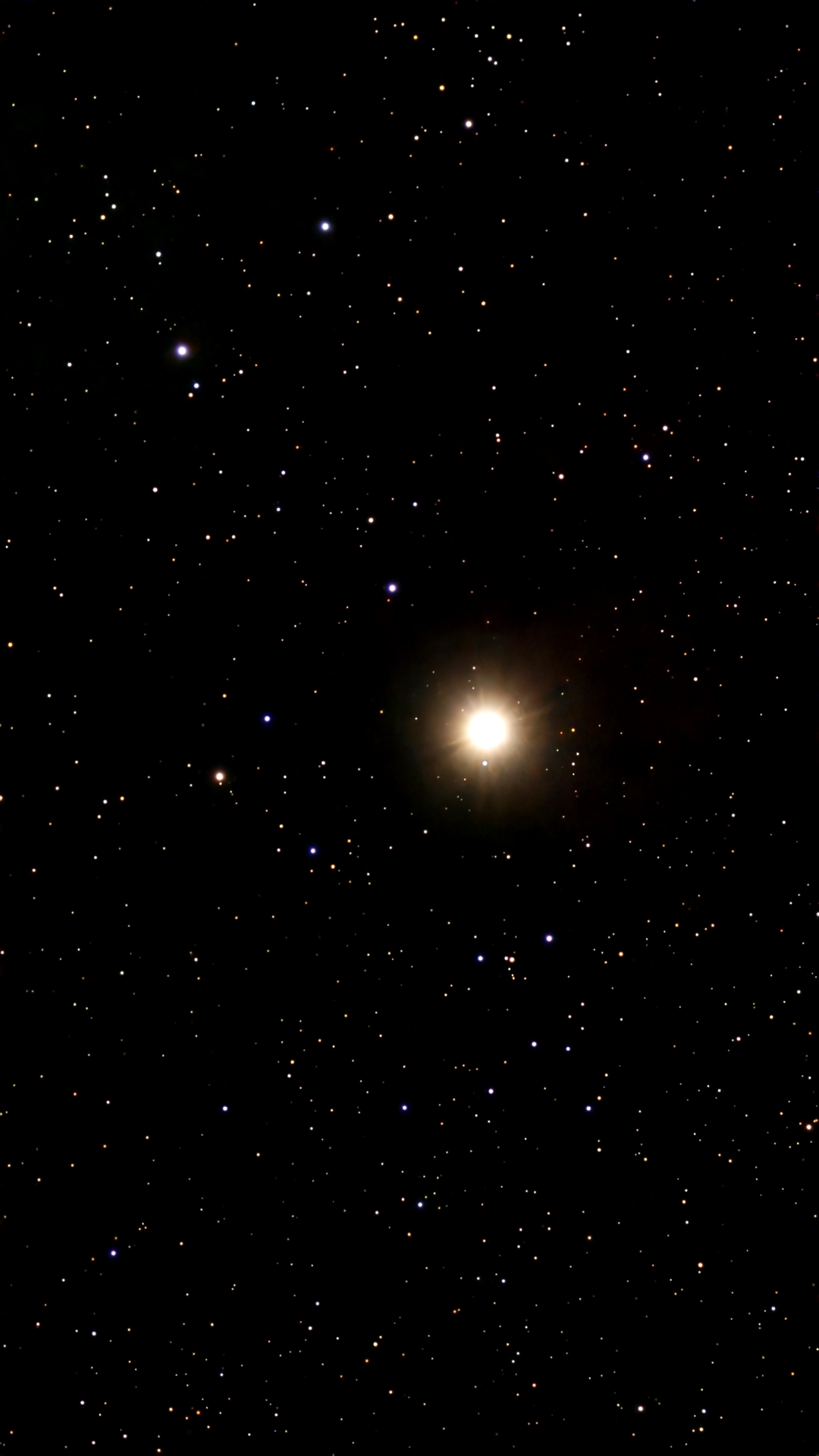
Image credit: JM (TRAC)
Above image: Capella, the brightest star in Auriga. Note its size, brightness, and distinctive yellow colour. Taken at 21:51 on 03 Jan 2026.
Astrophotography (AP)
Our main project for the month was intended to be capturing images of the stunning objects located in the constellation of Orion. However, we had no opportunities all month due to the persistent cloud cover.
Lunar Observations
Full Moon (03 Jan 2026)
The Seestar S50 was put to the test by photographing the Full Moon, allowing an assessment of its performance on a bright lunar target.
While the scope is primarily designed for observing faint deep-sky objects, it handled the Moon remarkably well. In fact, this image of the Moon is likely one of the best we've captured over the past two years.
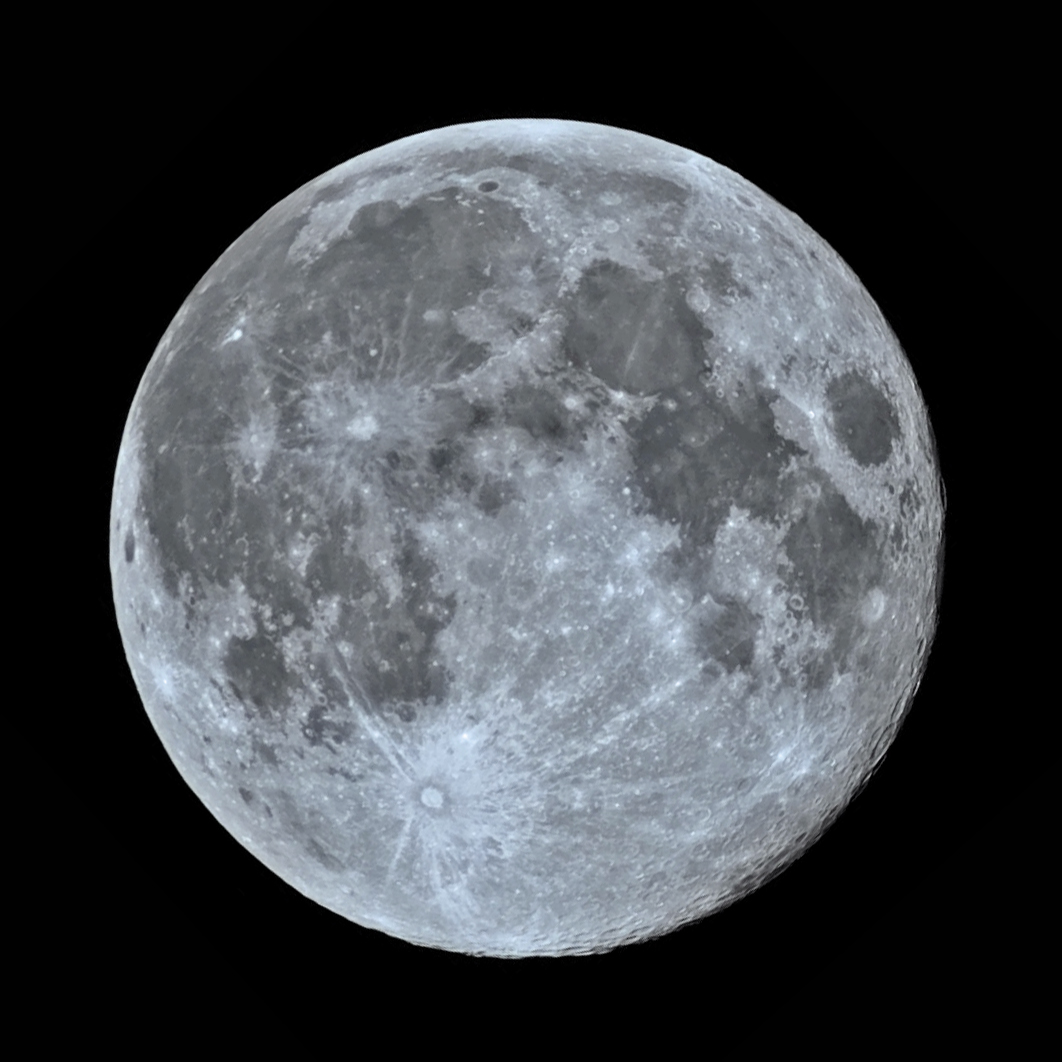
Image credit: JM (TRAC)
Above image: January's Full Moon. Taken at 22:16 on 03 Jan 2026.
The Moon Occults the Pleiades
Using binoculars, we observed a striking lunar occultation on the evening of 27 Jan 2026. At around 21:30, we saw the Moon pass in front of the northern part of the Pleiades star cluster.
None of the stars were visible to the naked eye due to the glow from the Moon. Through binoculars at 10x and 15x magnification, we were able to make out the cluster's six brightest stars.
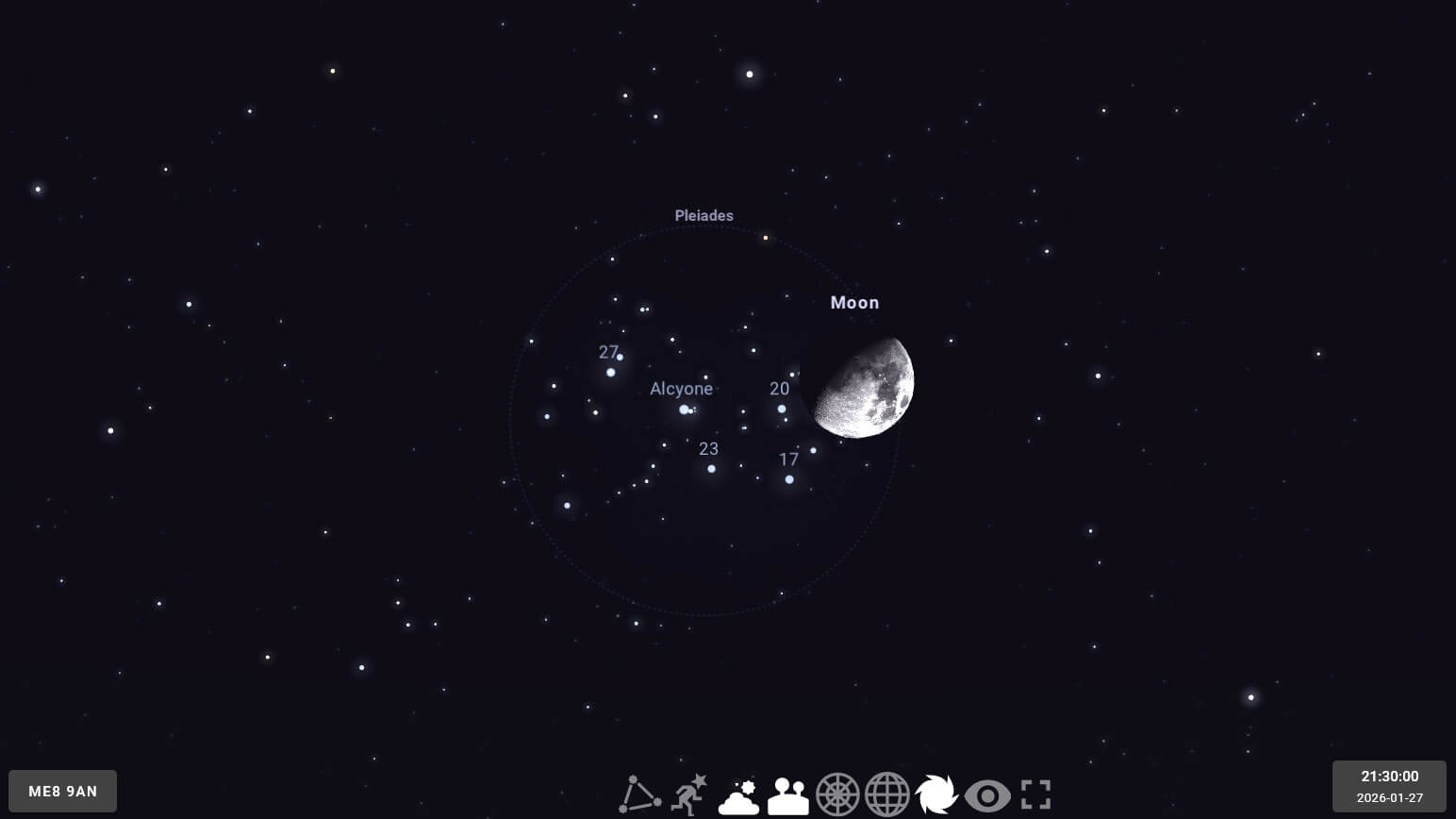
Image credit: Stellarium
Above image: A simulated view of the occultation.
Planets
Jupiter
Jupiter reached opposition on 10 Jan 2026, meaning this month offered ideal conditions for observing the planet and its moons. However, these opportunities were ultimately hindered by unfavourable weather all month.
On 10 Jan, Matey put his binoculars to the test by turning them toward Jupiter and its moons. He successfully observed all three moons visible at the time, each appearing clearly and distinctly, and was impressed by the crisp, high-quality view the binoculars provided.
On 3 Jan, Jupiter was imaged using the Seestar S50 as a test of its capability on a bright planetary target. The results were in line with expectations and provided our best view of Jupiter near opposition, with the precise timing of the observation being of little importance.
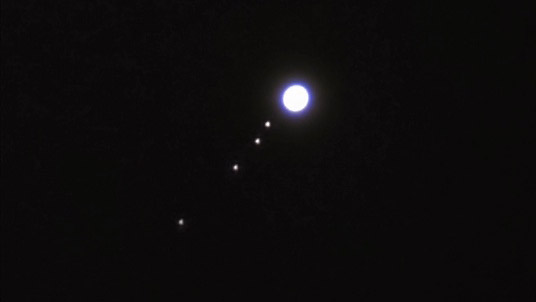
Image credit: JM (TRAC)
Above image: From left to right we have Callisto, Europa, Io, Ganymede, and Jupiter. Taken at 21:29 on 03 Jan 2026.
Summary
Too Many Clouds
Very little astronomy work was possible this month. This is our worst January on record. January is usually one of the best months for astronomy, but that was certainly not the case in 2026.
Looking Ahead
Our Orion AP project will be carried over into February. We need a few clear nights around the middle of the month.
James M
TRAC Team Leader
31 Jan 2026 – Rainham, Kent

TRAC is an amateur astronomy group based in Rainham (Kent) in the United Kingdom.
On clear nights, you'll find us outside, observing stars, planets, moons, galaxies, satellites, meteors, and comets.
This monthly report is intended to keep club members informed of our observational activities, track progress towards the club's long-term goals, celebrate successes, and record memorable moments.
Unless stated otherwise, magnitude values refer to apparent magnitude and have usually been rounded to one decimal place; photos of deep-sky objects credited to TRAC were taken using a Seestar S50 smart telescope; our observations were made from Rainham, Kent; and times and dates are in the UK's local time zone (GMT or BST, depending on the time of year).
We welcome any questions, feedback, or suggestions you may have. Please let us know if anything is unclear or if you notice an error, inaccuracy, or typo. Contact us via email.
© 2026 Taverners Road Astronomy Club